

Alina TEODORESCU
Concerns around French nuclear availability provide support for carbon prices
Lower nuclear availability contributed to record EUA prices in 2022
26 June 2026
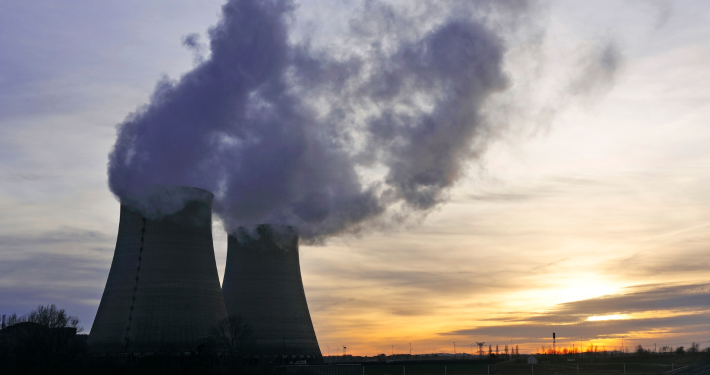
As a heatwave grips France, with temperatures reaching exceptional levels, EDF, the French state-owned utility that operates 57 reactors across 19 nuclear power plants—has been forced to reduce nuclear output by almost 10%.
The utility giant shut down two additional reactors at the Bugey and Nogent nuclear power plants on Thursday, bringing the total number of reactors taken offline due to high river temperatures to three, following the earlier shutdown of a reactor at the Golfech plant.
The latest reactor shutdowns have renewed concerns among carbon market participants over the potential impact of reduced French nuclear output on EUA prices. Earlier this week, BBVA analysts warned that “a critical watchpoint is the potential curtailment of French nuclear output due to elevated river temperatures.”
The French nuclear fleet plays a central role in the European electricity market and, by extension, the EU carbon market. As Europe’s largest producer of nuclear power, France is a major exporter of low-carbon electricity.
When nuclear output declines, the resulting supply shortfall is typically offset by increased generation from natural gas- and coal-fired power plants elsewhere in Europe, boosting demand for carbon allowances.
This relationship was most evident during the unprecedented reactor outage crisis of 2022, when stress corrosion inspections, extensive maintenance requirements and cooling-water constraints reduced French nuclear generation to its lowest level in more than three decades.
The loss of low-carbon generation increased reliance on fossil fuels across Europe and contributed to a surge in carbon prices, with benchmark EU Allowance (EUA) futures reaching a then record high of €98.42/tCO₂ on 19 August 2022.

