

Alina TEODORESCU
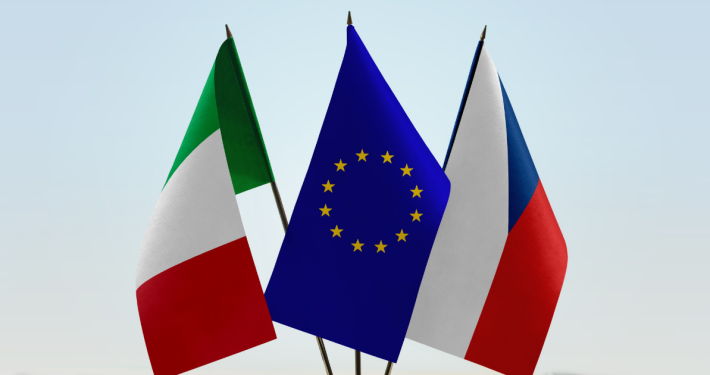
Italy and Czech Republic Coordinate Push for More Flexible EU Carbon Rules
Rome’s latest initiative builds on earlier efforts this year to reshape the EU carbon market
30 September 2026
Italy and the Czech Republic are joining forces on a package of measures aimed at easing pressure from high energy costs, with plans to bring the proposals before EU leaders at the European Council summit on October 15–16.
The initiative was discussed during talks between Italian Prime Minister Giorgia Meloni and her Czech counterpart, Andrej Babiš, in Prague on Tuesday. Their meeting covered several challenges facing the bloc, including economic competitiveness and energy policy. Czech media had reported ahead of the visit that the two governments intended to coordinate their positions on energy prices and the EU’s carbon market.
A key part of their initiative concerns the EU Emissions Trading System (EU ETS), with Rome and Prague seeking modifications intended to limit cost pressures on European businesses and strengthen their ability to compete internationally.
According to Italian news agency Agenzia Nova, the proposals include adjustments to the functioning of the Market Stability Reserve (MSR) in order to regulate the supply of allowances in the carbon market. The proposed modifications are intended to help contain sharp increases in CO₂ allowance prices.
For Italy, the initiative follows several attempts this year to address the interaction between carbon costs and electricity prices. Earlier in 2026, the Meloni government proposed measures targeting the emissions-related costs borne by gas-fired power producers. Rome has also pressed for intervention at the European level as higher energy prices have intensified concerns about industrial competitiveness.
Italy is particularly exposed to fluctuations in natural gas prices because of the fuel’s significant role in the country’s power system. Changes in international gas markets can therefore feed through to domestic electricity costs, adding to the pressures faced by households and energy-intensive industries.
The latest initiative also comes as Italy moves closer to a national election year. The country is expected to hold its next general election in 2027, adding a domestic political backdrop to the government’s efforts to address energy costs and industrial competitiveness.

