
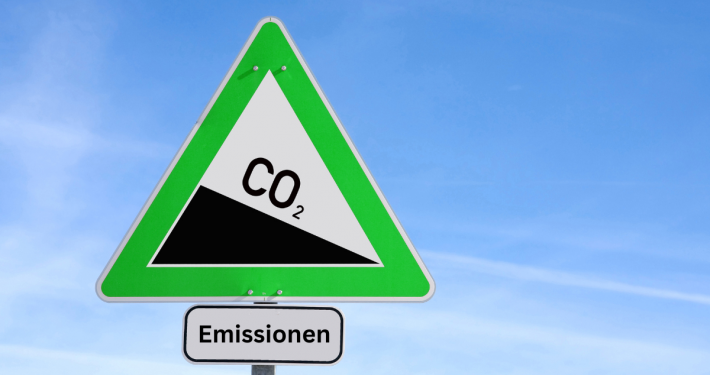
German EU ETS emissions dropped by 18% in 2023 compared to the previous year
DEHSt: The weak economic trend was a key driver of this development.
10 April 2024
According to preliminary data from the German Emissions Trading Authority (DEHSt) available for 2023, the approximately 1730 installations located in Germany and covered by the EU ETS emitted around 289 million tonnes of CO2e. This means a decrease of 18% compared to the previous year, “the sharpest drop since the start of the European Emissions trading in 2005.”
“The weak economic trend was a key driver of this development,” according to the DEHSt. Furthermore, the growing share of renewable energies and falling gas prices favored the switch from coal to gas in power generation, leading to fewer emissions.
A separate report published in January by energy think tank Agora Energiewende revealed that last year, coal-power generation in Europe’s largest economy dropped to its lowest level since the 1960s.

The rate of decline in emissions varied from one sector to another, according to DEHSt. “Emissions from German energy plants fell by around 22 percent, twice as fast as emissions from industrial plants in Germany where the decline was around 10 percent,” noticed DEHSt.
Furthermore, in the industry sectors, “almost all sectors saw relatively significant declines.” The largest drop was recorded in the non-ferrous metals sector with 19% while emissions from the iron and steel industry remained stable at -2%.
The latest numbers revealed that Europe’s biggest economy is on track to reach its interim targets of cutting emissions by at least 65% in 2030 compared to levels in 1990 and by 88% in 2040.

